Nursery
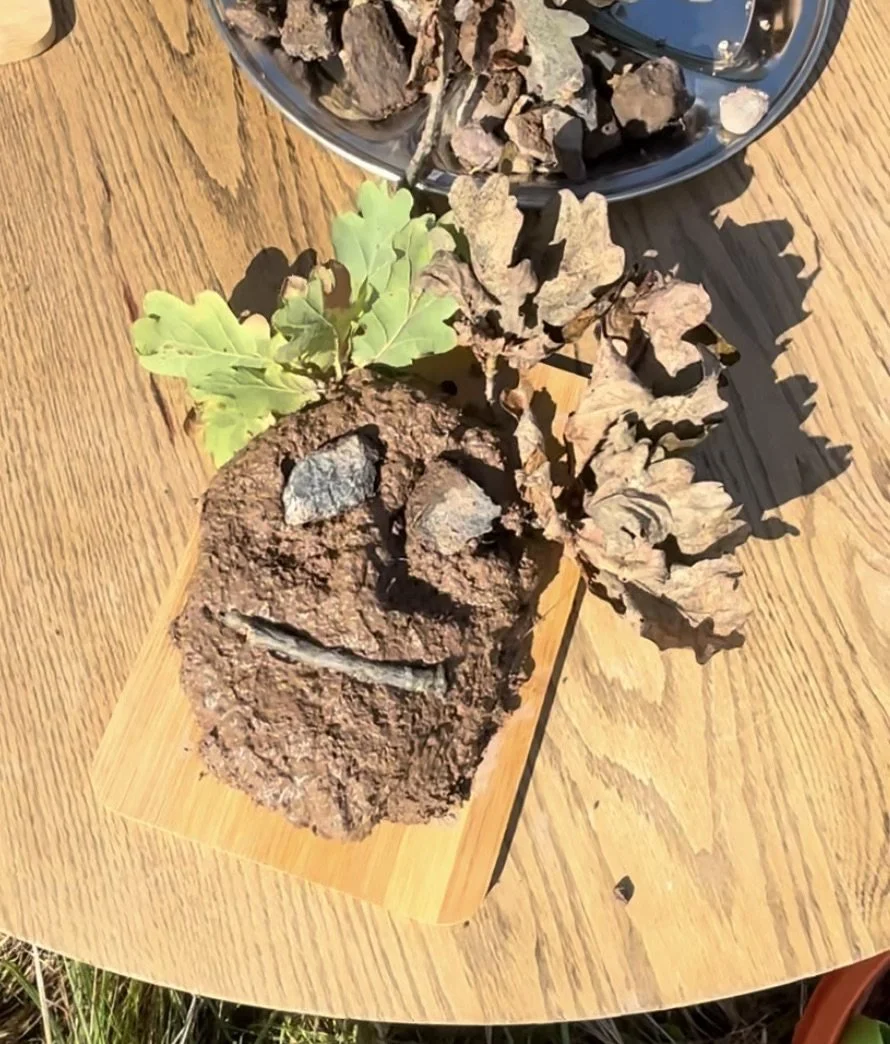
We are first and foremost an outdoor nursery. We are all about getting children learning, playing, exploring and enjoying outdoors, where they should be. We go out in all weathers, we use the weather to our advantage - when it rains we make mud slides, or mud pies or splash. When it’s sunny we make bubble rainbows, feel the sun on our skin and plant seeds.
An outdoor nursery requires children to be dressed appropriately to ensure they are comfortable in all weathers, particularly in the cold. Please speak to staff about what is required for this.
The 20 place nursery caters for 2 - 5 year olds. The children all play together in the same environment, supporting and learning from each other.
Open Tuesday, Wednesday and Thursday 9.00am - 3.00pm.
The core funded hours are 9:30-2:30pm (5 hours per day).
Breakfast club is 9.00-9.30 charged @ £5 Late club is 2:30-3:00 charged @ £5
Please book in advance for clubs so we ensure the correct staff ratios.
We are incredibly lucky to be sited in beautiful north Hereford just 3 miles outside Hereford city centre, in the parish of Holmer and Shelwick. The nursery is bordered on one side with a railway track - fabulous for train enthusiasts whilst the rest of the surrounding area is agricultural land with grazing cattle.
Curriculum
Learning outdoors offers rich sensory, physical, and social experiences that support early years children’s curiosity, wellbeing, resilience, and confidence. Natural environments encourage exploration, creativity, problem-solving, and meaningful risk-taking. Skilled practitioners who respond “in the moment” can build on children’s spontaneous interests, turning everyday discoveries into powerful learning opportunities that deepen understanding and extend language.
Long-term, regular outdoor learning helps children develop stronger physical health, emotional regulation, and social skills. It nurtures a lasting connection with nature, supports positive mental health, and strengthens dispositions such as independence, resilience, and motivation to learn. These foundations contribute to improved learning behaviours, better self-esteem, and a lifelong positive attitude towards challenge, exploration, and wellbeing.
INTENT – What we want for the children
Our aim is to nurture confident, curious, resilient learners through daily, meaningful experiences in the natural environment.
We focus on:
Holistic Development
Support physical development through climbing, balancing, digging, carrying, building.
Strengthen emotional wellbeing by offering freedom, challenge, and calm within nature.
Promote social skills and communication and language through collaboration, turn-taking, problem-solving, and shared discovery.
Deep-Level Learning Through Child-Led Exploration
Provide extended periods of uninterrupted play outdoors.
Trust children to lead their learning, with adults responding in the moment to extend thinking.
Encourage natural inquiry: noticing changes in seasons, wildlife, materials, and risk.
Connection to Nature
Develop respect for the natural world and understanding of sustainability.
Build stewardship by caring for living things and recognising their impact on the environment.
Risk and Resilience
Enable children to assess and manage their own risks in climbing, tool use, fire lighting (where appropriate).
Encourage perseverance and confidence through real challenges.
IMPLEMENT – How we do it
Following Anna Ephgrave’s approach, teaching is responsive and grounded in high-quality adult interactions. Planning happens in the moment, based on children’s motivations and the environment around them.
Environment as the Teacher
A well-planned outdoor space with open-ended natural materials (sticks, mud, stones, water, leaves).
Rotating but minimal “set-ups”—the environment itself provides the curriculum.
Weather embraced: puddles, wind, frost, mud, sunlight all become learning resources.
Role of the Adult
Observe first, wait, then respond when a child shows curiosity, struggle, discovery, or a teachable moment.
Offer ‘teaching moments’ that are brief, well-timed and tuned into the child’s focus.
Capture learning through concise observations that reflect the child’s voice and intent.
Daily Rhythm
Long, uninterrupted outdoor play sessions.
Small introductions to skills (e.g., tool use, knot tying, shelter building) offered when children show readiness or interest.
Group moments for stories, songs, and reflection—often around the fire circle or circle time where appropriate.
Learning Through Authentic Tasks
Gathering sticks becomes early maths (sorting, length, comparing, counting).
Building dens becomes teamwork, engineering, problem-solving, literacy through negotiation.
Watching bugs becomes science observation and communication development.
Seasonal changes become storytelling, art, sensory exploration, and enquiry.
Risk Management
Dynamic risk assessments carried out with the children.
Adults model safe behaviour (tool handling, fire safety) while allowing children genuine challenge.
IMPACT – What the children achieve
We measure progress through changes in wellbeing, behaviour, independence, and skill—not through tick-lists.
Characteristics of Learning
Children demonstrate:
Resilience: continuing a challenge even when cold, muddy, or frustrated.
Curiosity: asking questions, noticing details, developing theories.
Independence: dressing for weather, managing boundaries, solving problems.
Creativity: inventing games, constructing with natural materials, storytelling inspired by the outdoors.
Developmental Progress
Strong core strength, balance, coordination, stamina.
Rich language from describing textures, movements, discoveries, and stories.
Emotional regulation through nature’s calming influence and authentic problem-solving.
Social growth from negotiating roles, cooperating, and resolving conflicts outdoors.
Long-Term Outcomes
Children leave the early years stage as:
Confident, capable learners ready to take risks and try new things.
Connected to the natural world with a sense of responsibility and care.
Equipped with self-belief and curiosity that extends into all areas of learning.